



Japanese Knives
Gyuto vs Chef Knife: Compared
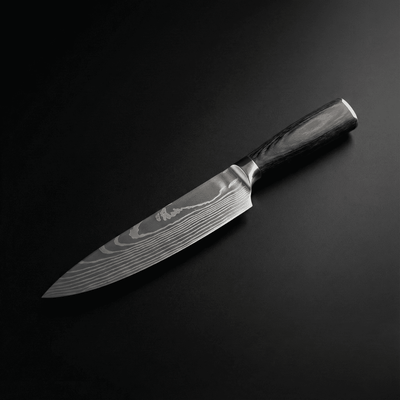
Line up a gyuto vs chef knife and you are really comparing two versions of the same idea. "Gyuto" is simply the Japanese name for a chef's knife — the all-purpose blade that does most of the work in a kitchen. But the Japanese interpretation is built a little differently from the classic European one, and those differences change how the knife cuts, feels and holds an edge. Here is what actually separates them.
The short answer
A gyuto is the Japanese chef's knife. Compared with a typical Western chef's knife, it tends to be lighter, thinner behind the edge, and ground to a keener angle — so it feels more precise and slices with less effort. A Western chef's knife is often heavier and more robust, built to feel sturdy and take heavy-handed use. Same role, two design philosophies: one leans toward finesse, the other toward heft.
What they have in common
Both are all-purpose knives designed to be the one you reach for first. Both have a curved belly that lets you rock the blade against the board, a pointed tip for detail work, and enough length to slice, dice and break down most ingredients. If you can use a chef's knife, you can pick up a gyuto and feel at home within minutes. The learning curve between them is almost nothing — the pleasure is in the details.
Steel, edge and sharpness
This is where the gyuto tends to pull ahead for people who care about cutting feel. Japanese knives are commonly made from harder steel, which lets the edge be ground thinner and sharper and hold that sharpness longer between sharpenings. The result is a blade that bites into a tomato skin or glides through an onion with noticeably less pressure. The trade-off is that harder steel is a little less forgiving — it prefers a cutting board over bone or frozen food, and it rewards proper care. A softer Western blade is more tolerant of rough treatment but generally needs honing and sharpening more often to stay keen.
A gyuto leans toward finesse — lighter, thinner, keener. A Western chef's knife leans toward heft. Which feels "right" is personal.
Weight and balance
Pick both up and the difference is immediate. A gyuto usually feels lighter and more nimble, with balance that encourages quick, controlled cuts. A traditional chef's knife often feels heavier in the hand, and some cooks like letting that weight do the work. Neither is objectively better — a lighter knife reduces fatigue over a long prep session, while a heavier one can feel more planted and reassuring. It comes down to what your hand prefers.
Blade profile and cutting motion
Both knives rock, but a gyuto often has a slightly flatter profile than a deeply curved European chef's knife, which suits a mix of rocking and push-cutting. In everyday use this means a gyuto feels equally comfortable rocking through herbs and pushing straight down through vegetables. If you already rock a chef's knife, the transition is seamless; if you prefer straight cuts, the flatter gyuto profile will feel even better.
Which should you choose?
- Choose a gyuto if you want a sharper, lighter, more precise knife and you are happy to treat it with a little care.
- Choose a heavier Western chef's knife if you prefer weight, maximum durability, and a blade that shrugs off rough use.
- Either way, buy the best steel you can — an edge that stays keen is what makes any all-purpose knife a pleasure to use.
For most cooks who have tried both, the gyuto's blend of sharpness and control is what wins them over. See the range in our chef's knives collection, and if you are still building out your kit, our guide to Japanese knife types shows exactly where the gyuto sits among the rest.
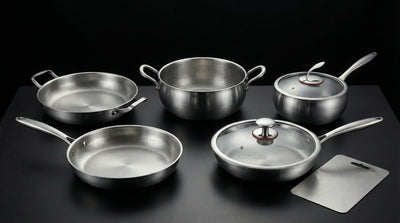
The Cookware
Built to Last
Uncoated grade-1 titanium. No PFAS, no coatings, backed by a 25-year warranty.
Shop the Collection