



Care & How-To
How Long to Soak a Whetstone
The question of how long to soak a whetstone has one honest answer: it depends on the stone. Some water stones need ten to fifteen minutes submerged before they will cut properly; others are ruined by soaking and only want a splash of water on top. Get it right and the stone sharpens smoothly; get it wrong and you either crack the stone or fight a dry, ineffective surface. Here is how to know which kind you have and how to prepare it.
The short answer by stone type
Whetstones fall into three groups, and each has its own soak time:
- Soaking water stones: submerge for about 10 to 15 minutes, until the stream of air bubbles stops rising from the stone. That is the signal it is fully saturated and ready.
- Splash-and-go stones: do not soak these. Just splash or spray water on the surface as you work and top it up. Many mid- and high-grit ceramic stones are this type.
- Oil stones: no water at all — these use honing oil, not soaking.
When in doubt, follow the maker's guidance for your specific stone. If you have no instructions, watch the bubbles: a stone that gives off a steady stream of bubbles when dunked is a soaking stone and wants the full time.
Why the bubbles matter
A dry soaking stone is full of tiny air-filled pores. Drop it in water and those pores fill, pushing the air out as bubbles. While bubbles are still rising, the stone is still absorbing — sharpen too early and the surface dries out mid-stroke, the slurry never forms properly, and you get poor, uneven contact with the blade. When the bubbles stop, the stone is saturated and will hold a wet, workable surface throughout sharpening. That is the whole reason for the wait.
Let the bubbles decide. When a soaking stone stops releasing them, it is ready — not a minute before.
Can you soak a stone too long?
For most soaking stones, sitting in water for a while beyond saturation does no harm, and some people keep coarse stones in a water bath between uses. But there are two important exceptions. High-grit finishing stones (roughly 3000 grit and up) and combination stones with a fine side should not be left soaking for long — over-saturation can weaken or crack them. And any stone left permanently wet can grow mould or degrade its binder over time. The safe habit: soak only as long as needed, then let the stone dry fully between sessions.
A quick pre-sharpening routine
Putting it together, prep looks like this: check what type of stone you have, soak a soaking stone until the bubbles stop (or just wet a splash-and-go stone), set it on a non-slip base or damp towel, and keep the surface wet the entire time you sharpen. Re-wet whenever it starts to look dry. That thin film of water carries away metal particles and lets the abrasive do its work — it is not optional, it is part of how the stone cuts.
Match the soak to the grit
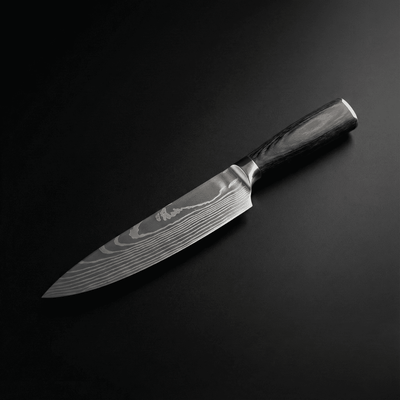
Because soak time and grit are linked, it helps to know your grits before you start. Coarse soaking stones drink up more water and time; fine finishing stones often need little or none. If you are not sure which grit does what — or which stones need soaking at all — our whetstone grit chart lays it out. And if you are here because you have knives worth keeping keen, see our Japanese chef's knives.
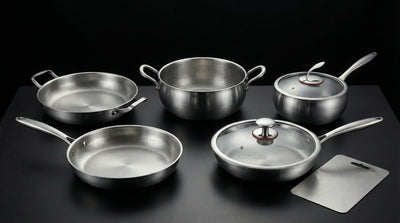
The Cookware
Built to Last
Uncoated grade-1 titanium. No PFAS, no coatings, backed by a 25-year warranty.
Shop the Collection