



Care & How-To
How to Clean a Bamboo Cutting Board
How do you clean a bamboo cutting board without ruining it? Gently, quickly, and never by soaking it. Bamboo is prized for being hard, light, and more water-resistant than many woods, but it is still a natural, porous material — and the two things that destroy it are standing water and the dishwasher. Get the routine right and a bamboo board stays hygienic and flat for years. Here is how.
The everyday clean
After each use, clean the board promptly rather than letting food dry on it:
- Scrape off scraps with a bench scraper or the back of a knife.
- Wash by hand with warm water, mild dish soap, and a sponge or dish brush.
- Rinse quickly — do not let it sit under running water.
- Wipe dry with a towel, then stand the board on its edge to air-dry fully.
The whole thing takes under a minute, and it is the single biggest factor in how long the board lasts. Water is the enemy; the faster it is off the board, the better.
Deep-cleaning and removing stains
For odours from onion or garlic, or light stains, reach for the kitchen: sprinkle coarse salt over the board and scrub with the cut face of half a lemon. The salt lifts residue while the lemon's acidity neutralises smells. Rinse briefly and dry. A paste of baking soda and water works the same way on tougher stains. Both are food-safe and gentle on the bamboo.
Sanitising a bamboo board
After raw meat, poultry, or fish, sanitise the surface. Wipe it with undiluted white vinegar, or with a very dilute bleach solution (about a teaspoon of bleach per litre of water), leave it a few minutes, then rinse and dry thoroughly. Do not flood the board — a wiped-on treatment does the job without soaking the fibres. A smart habit is to keep separate boards for raw protein and for produce, whatever material you use.
Bamboo forgives almost everything except standing water. Wash it fast, dry it upright, and it will outlast most of your kitchen.
The two things that crack a bamboo board
Nearly every ruined bamboo board dies the same two ways:
- The dishwasher. The prolonged soak, heat, and harsh detergent swell and then shrink the bamboo, splitting it along the glue lines. Never put a bamboo board in the dishwasher.
- Soaking in the sink. Leaving it submerged does the same damage more slowly. No board should sit in water.
To keep the surface sound, oil the board occasionally with food-grade mineral oil once it is clean and fully dry — it replaces lost moisture and helps the bamboo shed water instead of absorbing it.
If you would rather skip the ritual
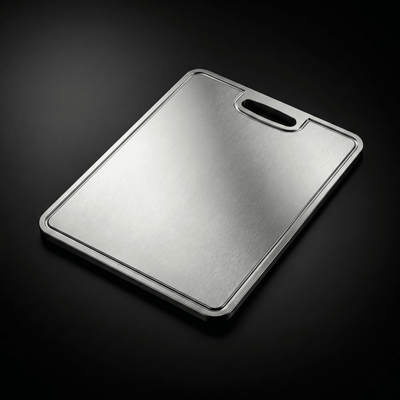
All of this is manageable, but it is a routine — one bamboo asks for because it is porous. A non-porous material removes the routine entirely. A solid titanium board cannot absorb water, will not crack, warp, stain, or hold odours, and never needs oiling; it can even go in the dishwasher without a second thought. That is a different relationship with a cutting board: no soaking rules, no oiling schedule, no worrying about the sink. If bamboo's upkeep is starting to feel like a chore, that is the case for titanium.
Both can serve a kitchen well — it comes down to how much maintenance you want to sign up for. To weigh wood, bamboo, plastic, and titanium against each other, read our 2026 cutting board buyer's guide.
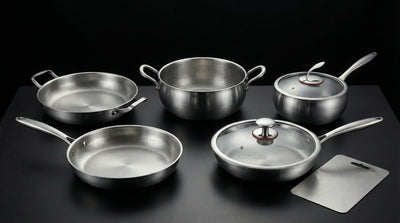
The Cookware
Built to Last
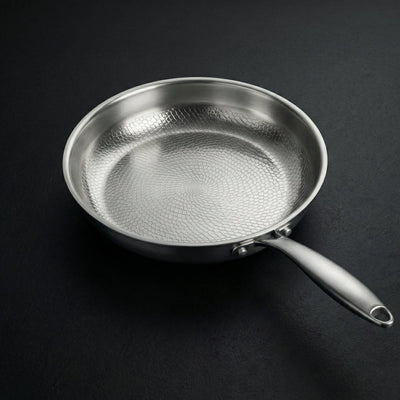
Uncoated grade-1 titanium. No PFAS, no coatings, backed by a 25-year warranty.
Shop the Collection