



Choosing cookware
Titanium vs. Coated Cookware: What Actually Differs
The difference is structural — one surface is an added layer, the other is the metal itself.
If you're moving to titanium from coated cookware, it helps to understand what's genuinely different. It isn't marketing; it's how the two surfaces are built.
Two different structures
A coated non-stick pan is a base metal with a separate surface layer applied on top of it. The cooking surface and the pan body are two different materials.
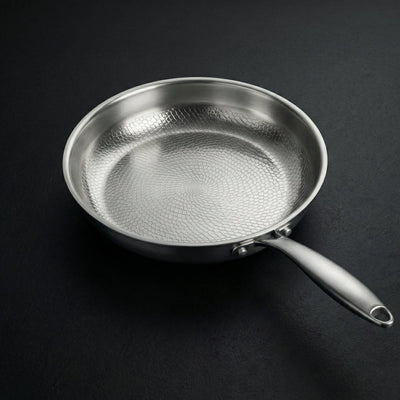
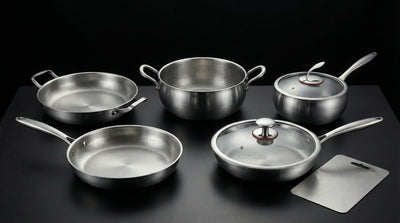
Your Okura pan has no applied layer. It is 99.6% grade-1 titanium all the way through, and the surface you cook on is the metal itself. Nothing was added, so there's nothing that can separate from the body.
What that changes in daily use
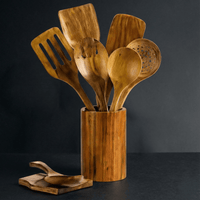
- Utensils. Titanium is hard, so metal spatulas, spoons, and whisks won't damage the surface. Coated surfaces come with their manufacturer's own utensil guidance — follow whatever the maker of that pan specifies.
- Heat. Your Okura pan is oven safe up to 260°C (500°F) and handles high stovetop heat, though it rarely needs it. Coated pans carry their own temperature limits set by their manufacturer.
- Acidic food. Titanium is chemically stable under normal cooking conditions and doesn't react with tomatoes, wine, or citrus, so there's no time limit on leaving a sauce in the pan.
- Cleaning. Warm water, mild soap, and a soft sponge. Skip abrasive pads — not because the metal is fragile, but because scouring strips the seasoning layer you've built.
The honest trade-off
We'll be straight about this, because it's the main thing people notice in week one. A coated pan releases food from the first cook, with no technique required. Titanium doesn't work that way. Release comes from a thin seasoning layer plus three habits: preheat the pan, add a little fat, and don't move food before it's ready.
Titanium is not Teflon. Two minutes of technique — preheat, a little fat — and it keeps getting better, for 25 years.
The direction of travel
That's the real distinction. A seasoned titanium surface improves as you cook on it, because you're building the seasoning rather than consuming a finish. The pan you're using in year five should perform better than the one you unboxed.
Where to start
If you're in the learning phase, Non-Stick Behavior, Explained covers why food sticks and how to stop it, and Seasoning Your Titanium Pan in 4 Steps gets a base layer down fast. Most of the habits worth unlearning are in 6 Common Mistakes to Avoid With Titanium. For the material facts, see Is Titanium Cookware Safe to Cook On?.
Still Need Help?
We're Here For You
Send us your order number and what you've already checked — we'll sort it out.