



Product Care
Caring for Your Cutting Board
Walnut, titanium, and stainless boards each want something slightly different — here's the routine for each.
We make cutting boards in three materials, and they don't all want the same treatment. Find yours below.
Solid walnut
The Solid Walnut Cutting Board is 100% solid walnut, finished naturally with no varnish, lacquer, or synthetic coating. That's what makes it gentle on knives, and it's also why it needs a little attention.
- Hand wash only. Warm water, mild soap, a cloth or soft brush. Never the dishwasher.
- Never soak it. Wood and standing water don't mix. Wash it, rinse it, move on.
- Dry it upright. Stand it on edge so air reaches both faces, rather than laying it flat where one side stays damp.
- Oil it regularly. A food-safe board oil, worked in and left to absorb, keeps the wood from drying out and the grain looking its best. How often depends on use — when the surface starts looking pale and thirsty, it's time.
Each board has its own grain pattern, so yours will darken and settle into its own character with use. That's the material, not a fault.
Pure titanium
The Pure Titanium Cutting Board is 100% solid titanium and needs almost nothing. The surface is non-porous, so it doesn't absorb liquids, won't warp, and doesn't hold odors or stains. Warm soapy water and a cloth is the whole routine. It's corrosion-resistant, so a little water left on it won't cause a problem — though drying it still keeps it looking sharp.
Stainless steel
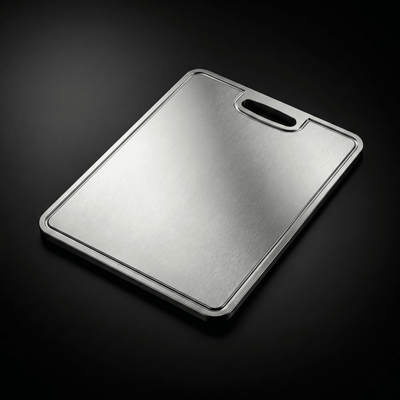
The Ultra Thin Stainless Steel Cutting Boards are uncoated with a brushed finish and, like titanium, non-porous. Wash with warm water and mild soap, dry with a cloth to avoid water spots, and use the integrated grip opening when you're moving one loaded with prepped food.
Keep your knives happy
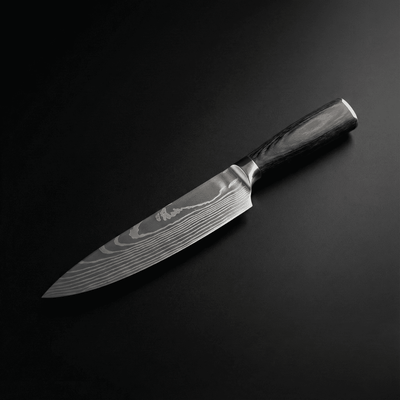
Whatever board you use, the surface is what dulls an edge over time. Wood is the kindest to a blade, which is why our walnut board pairs naturally with a fine knife — see Caring for Your Okura Knives for the rest of that routine.
Storing boards
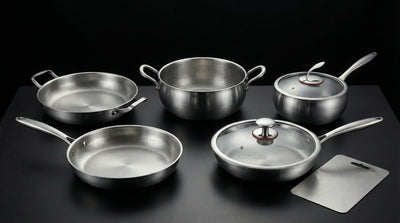
Stand boards on edge rather than stacking them flat under other items. Air circulation matters for wood, and for metal boards it simply prevents scratching. The same thinking applies to your pans — see Storing Your Cookware.
Browse the range in Cutting Boards, or get in touch if you're not sure which material suits your kitchen.
Still Need Help?
We're Here For You
Send us your order number and what you've already checked — we'll sort it out.