



Product Care
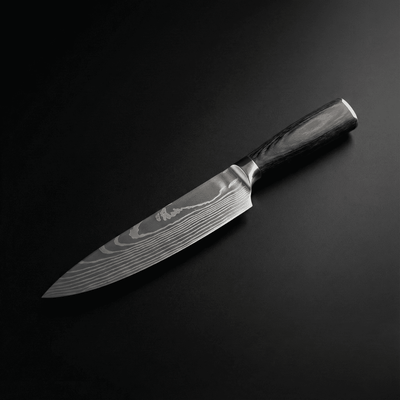
Caring for Your Okura Knives
Hand wash, dry immediately, cut on the right surface — three habits that keep an edge sharp for years.
A good knife asks for less than people expect, but it does ask for consistency. Okura blades are made from high-quality steel and left uncoated, with no chemical treatments on the cutting surface. Here's how to keep them performing.
Hand wash, always
Wash by hand with warm water and mild dish soap, right after use. Not the dishwasher — the heat, the detergent, and knives knocking against other items are all hard on an edge, and wooden handles like the ebony on some of our blades don't enjoy a long hot cycle either.
Dry it immediately
This is the habit that matters most. Don't leave a blade to air-dry in the rack or sitting in the sink. Wipe it dry with a soft cloth as soon as it's washed, then put it away. Moisture left sitting on steel is what causes spotting over time.
Cut on the right surface
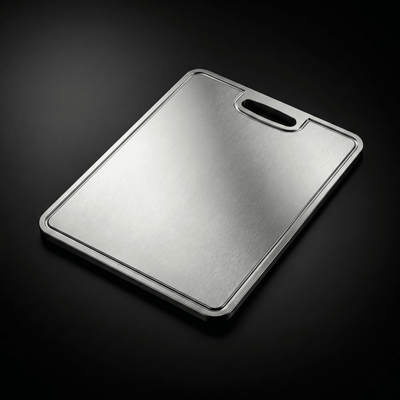
The surface under the blade does more damage than the cutting does. Glass, stone, and ceramic boards blunt an edge quickly. Use wood — our solid walnut cutting board is dense hardwood, gentle on blades, and finished without varnish or lacquer. See Caring for Your Cutting Board for how to keep it in shape.
Use the blade for what it's for
Japanese-style blades are ground for precision, not for force. A few things to avoid:
- Bone, frozen food, and hard shells. These chip a fine edge. Reach for a heavier tool.
- Twisting or prying. Cut, don't lever.
- Scraping the board with the edge. Turn the knife over and use the spine to sweep food along.
Keeping the edge
Honing realigns an edge; sharpening removes metal to create a new one. Both work better when the angle is consistent, which is the whole point of our Knife Sharpening Angle Guide Set — it locks the blade at 15° or 20° so you're not guessing. Sharpen when the knife starts crushing a tomato instead of slicing it, not on a schedule.
Storing them safely
Loose in a drawer is the worst option: blades knock together and dull each other. A block, a magnetic strip, or individual blade guards all work. Whichever you choose, put the knife away dry.
You can see the full range in Japanese Knives and Chef's Knives. If something doesn't seem right with a blade you've received, contact us and we'll take a look.
Still Need Help?
We're Here For You
Send us your order number and what you've already checked — we'll sort it out.